Bathroom floors and shower surrounds work harder than almost any other tile surface in a home — daily moisture, soap residue, and body oils combine into grime that regular bathroom cleaning routines rarely fully remove. If your bathroom grout looks permanently dingy no matter how often you scrub it, a professional bathroom grout cleaning service reaches soil and residue that a sponge and store-bought spray physically can’t.
This is one of the most requested services we provide across Austin, Round Rock, Cedar Park, Georgetown, Lakeway, Bee Cave, and West Lake Hills — and for good reason. Bathrooms combine two things grout struggles with most: constant moisture and a porous surface that holds onto whatever’s introduced to it.

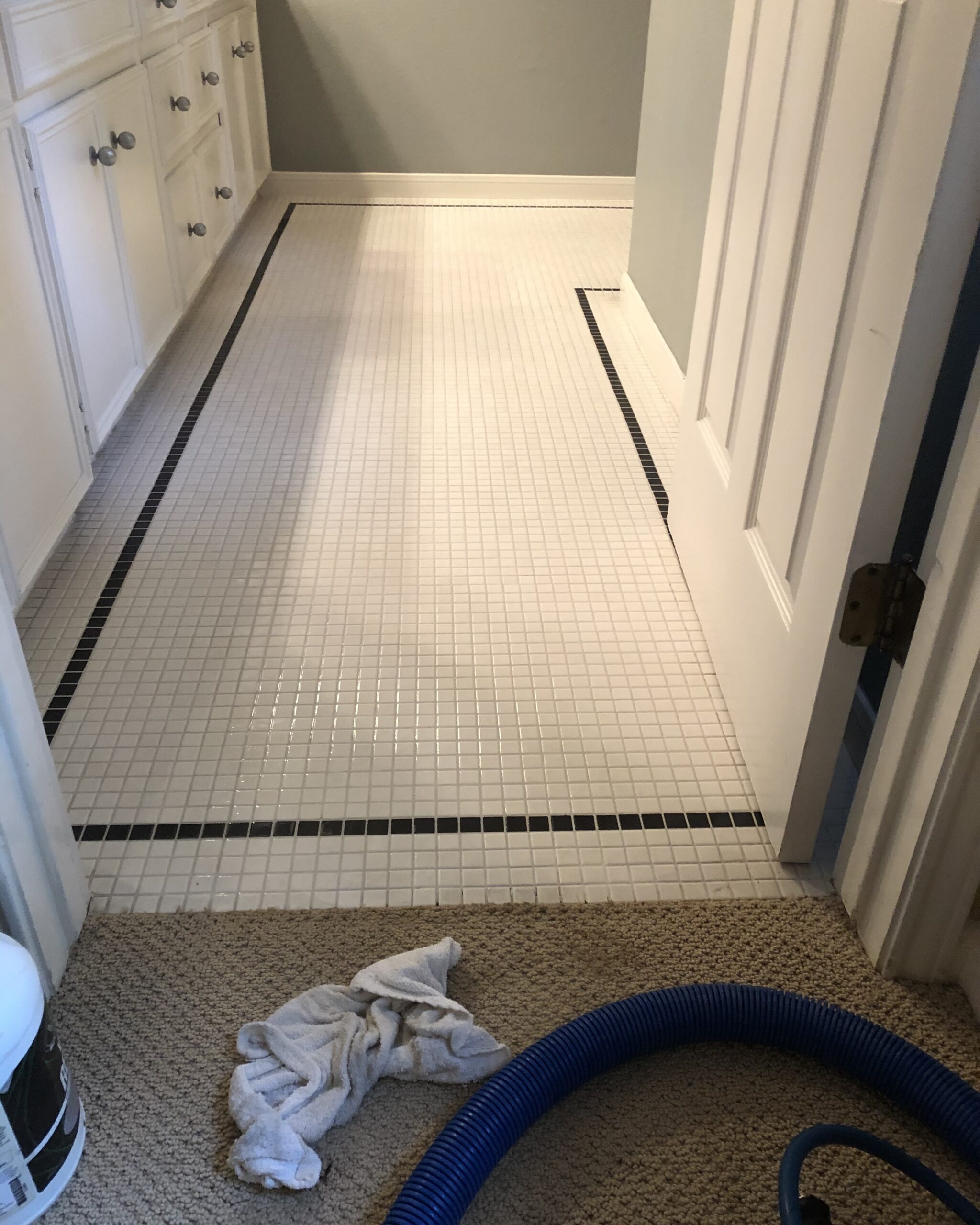
Why Bathroom Grout Gets Dirty Faster Than Other Rooms
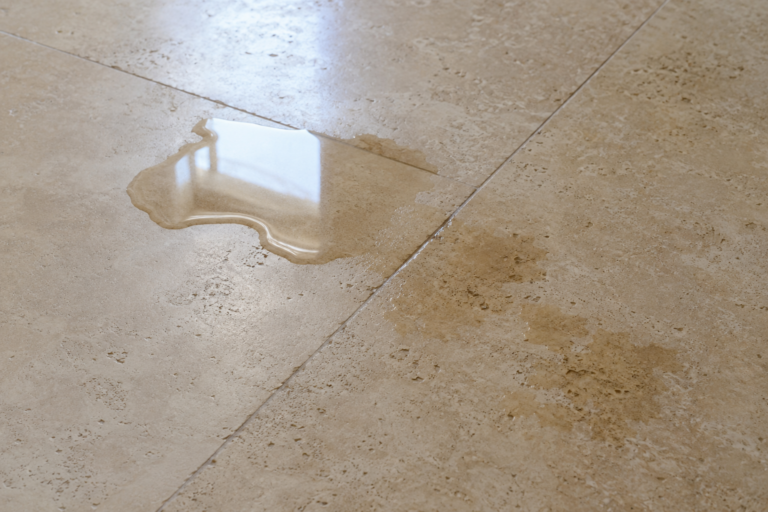
Grout is porous by nature. The Tile Council of North America notes that cementitious grout is porous enough to absorb stains at a microscopic level — and in a bathroom, that porous surface is constantly exposed to soap scum, shampoo residue, body oils, and standing moisture from showers and baths. Over time, that combination builds into a film that regular wipe-downs can’t fully remove, since most household cleaners only address what’s sitting on the surface, not what’s already absorbed into the grout itself.
Humidity compounds the problem. Bathrooms with limited ventilation stay damp longer after each use, and that lingering moisture gives mildew and soap film more time to set into grout lines before they ever get a chance to dry out completely.
What to Expect During a Professional Visit
Inspection and Assessment
Every bathroom tile and grout cleaning visit starts with an inspection of the tile, grout condition, and any problem areas — heavily soiled grout lines, soap scum buildup on shower walls, or spots where sealant may have worn away.
[Image: real photo of technician inspecting bathroom tile before cleaning — alt text: “bathroom tile inspection before professional grout cleaning Austin” — PLACEHOLDER: insert real job photo]
Hot Water Extraction Cleaning
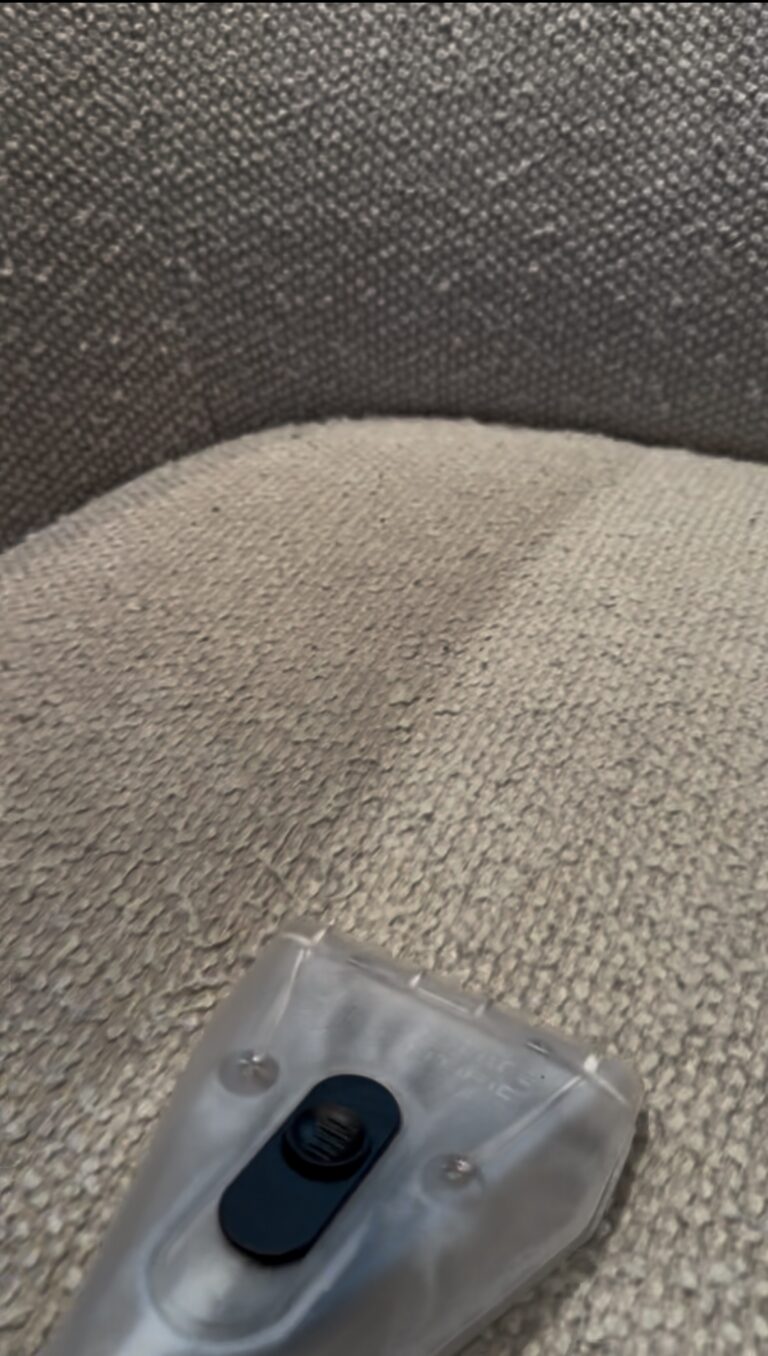
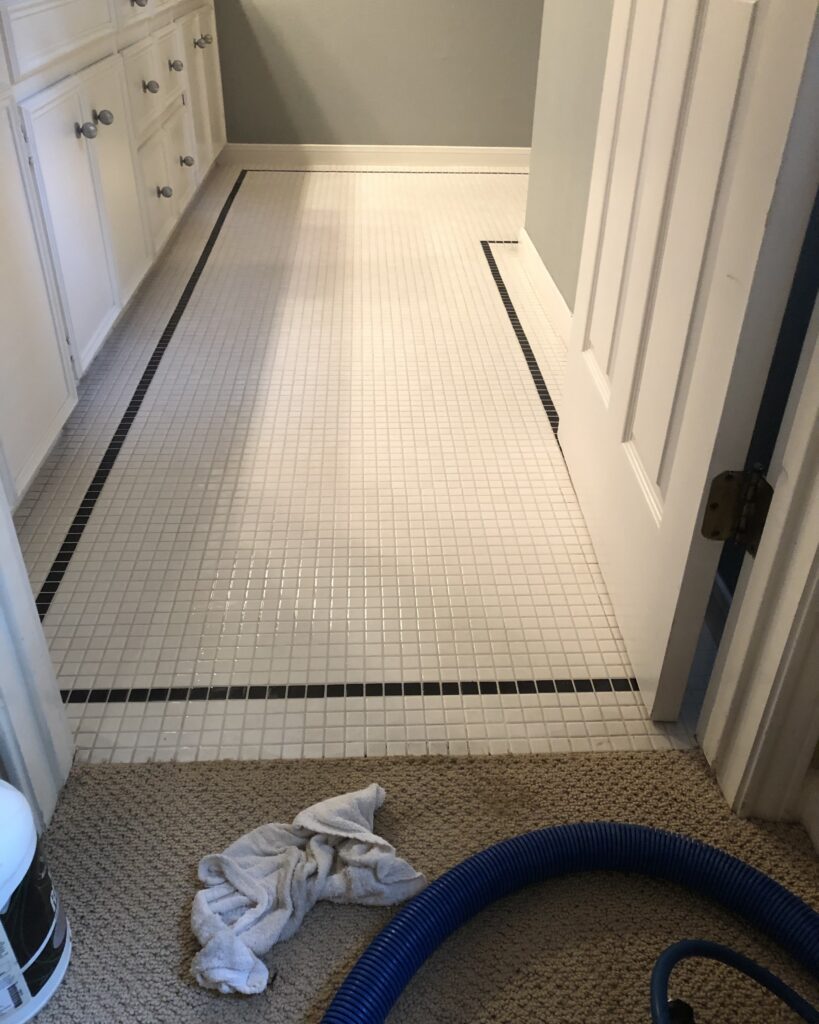
The core of the process is professional-grade hot water extraction, which reaches deep into grout lines to lift embedded soil, soap residue, and mildew that mopping or scrubbing leaves behind. This is the same mechanism that makes tile and grout cleaning effective throughout the rest of a home, but bathroom applications require extra attention around fixtures, corners, and shower pans where soil tends to concentrate.
[Image: real photo of hot water extraction cleaning in progress on bathroom floor — alt text: “hot water extraction bathroom grout cleaning Austin TX” — PLACEHOLDER: insert real job photo]
Detail Work Around Fixtures and Shower Surrounds
Bathrooms have more edges, corners, and transitions than open floor areas — around toilets, vanities, tub surrounds, and shower thresholds. These spots often get missed during routine cleaning and become the areas where grime accumulates fastest.
Drying and Final Inspection
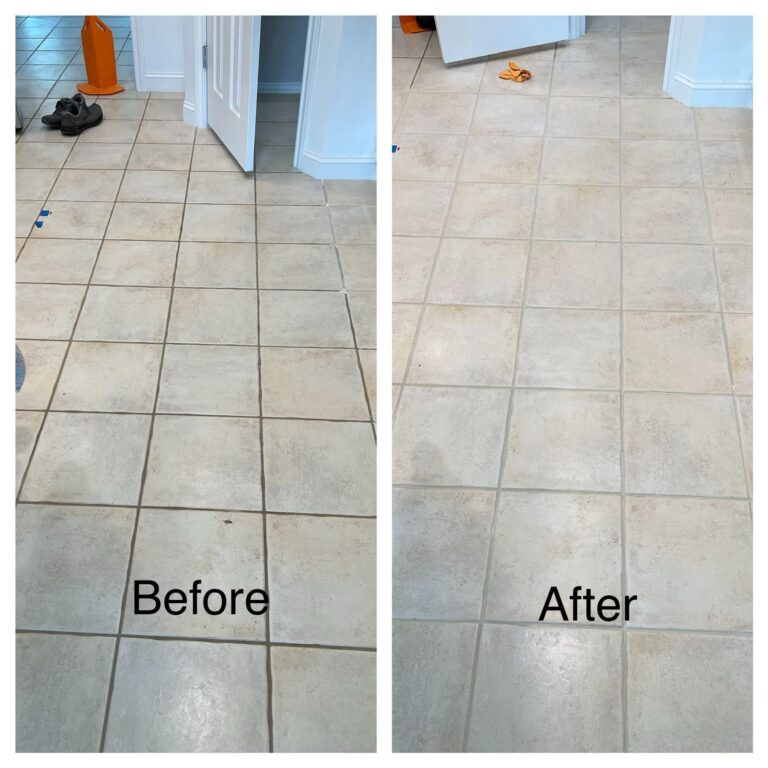
Once cleaning is complete, the technician does a final walkthrough to confirm the grout looks uniform and no residual soil remains, then discusses whether sealing makes sense as a next step.
Should You Seal Bathroom Grout After Cleaning?
Bathrooms are one of the best candidates for grout sealing precisely because of the moisture exposure that makes them dirty in the first place. Sealed grout resists soap scum and moisture absorption significantly better than unsealed grout, which means less buildup between cleanings and easier day-to-day maintenance. For grout that’s also lost its original color from years of staining, grout color sealing can restore a uniform appearance at the same time.
Preventing Buildup Between Professional Cleanings
A few habits help bathroom grout stay cleaner longer:
- Run the bathroom exhaust fan during and after showers to reduce lingering humidity — the EPA specifically recommends increasing ventilation in bathrooms as one of the most effective ways to prevent recurring mildew
- Squeegee shower walls and glass doors after each use
- Wipe down grout lines weekly with a soft brush and mild cleaner
- Address any caulk or sealant gaps promptly, since gaps let moisture reach the substrate beneath the tile
How Often Should Bathroom Grout Be Professionally Cleaned?
Most bathrooms benefit from professional cleaning every 12–18 months, though heavily used bathrooms — particularly primary bathrooms and those used by kids — may need attention closer to the 12-month mark to stay ahead of buildup.
We Are Austin’s Complete Floor & Surface Care for Your Home
Beyond slate, we offer a full range of professional services to keep every surface in your home looking its best — from deep tile and grout cleaning and grout color sealing, to carpet cleaning, upholstery cleaning, and wood floor cleaning. For other natural stone, explore our marble, travertine, limestone, and terrazzo services.
Ready for a Bathroom That Actually Looks Clean?
If scrubbing isn’t cutting through the soap scum and grime in your bathroom grout anymore, it’s time for a deeper clean than a sponge can deliver. Contact Santa Fe Floor Cleaning & Stone Care at (512) 632-1621 or request a free estimate online — we’ll show you the difference hot water extraction makes.