You just finished mopping your tile floors. They should feel clean and fresh. Instead, they feel sticky and somehow worse than before you started cleaning.
Sound familiar? Sticky tile floors are one of the most common complaints we hear from Austin homeowners. The frustrating part is that this problem often gets worse the more you try to fix it.
Here’s the truth: your floors aren’t sticky because they’re dirty. They’re sticky because of what you’re using to clean them. Let’s explore why this happens and how to fix it for good.
What Makes Sticky Tile Floors So Frustrating
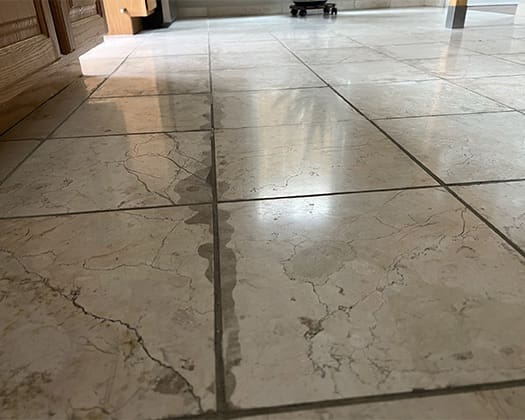
The main reason your tile floors feel sticky comes down to one thing: residue. When you mop your floors, cleaning products can leave behind a thin film that dries into a sticky layer.
This happens more often than you might think. According to industry research, sticky floors typically occur when floor cleaners leave residue behind, especially if too much product is used or it isn’t diluted correctly.
The chemistry behind this problem centers on surfactants. These are the active cleaning agents in most floor cleaning products. However, surfactants in many cleaning products leave behind a residue, with the amount depending on the quantity in the product itself, and without proper dilution control, the result can be sticky, icky floors.
What makes this especially frustrating is the natural response. When floors don’t feel clean enough, people naturally add more floor cleaner liquid to the bucket. But adding more product often leads to a thicker residue layer, stickiness after drying, and faster dust buildup.
The Real Culprits Behind Your Sticky Floor Problem
Why You Get Sticky Floors After Mopping
Many homeowners experience sticky floors after mopping because they’re using too much cleaning product. This creates a cycle where each cleaning session makes the problem worse.
Here are the most common causes:
Soap Residue Buildup: Using dish soap or household cleaners not designed for floors leaves behind a film that attracts dirt and creates stickiness.
Dirty Mop Water: When you don’t change your mop water frequently enough, you’re essentially spreading dirty water and cleaning residue across your entire floor.
Improper Product Dilution: Most floor cleaners need to be diluted properly. Too much concentrate creates excessive residue that can’t be fully removed during mopping.
Hard Water Issues: Austin’s hard water contains minerals that combine with cleaning products to create stubborn buildup on your tile surfaces.
High-Traffic Areas Make It Worse
High-traffic areas in your home accumulate residue faster than other spaces. The combination of foot traffic, spills, and frequent cleaning creates the perfect storm for sticky buildup.
Additionally, these areas often get cleaned more frequently. This means more opportunities for residue to build up if you’re using the wrong products or techniques.
Why Sticky Tile Floors Get Worse Over Time
The progressive nature of sticky floors stems from residue layering. Each cleaning session that uses improper techniques or excessive product adds another layer of residue to the existing buildup.
This accumulation creates several problems. First, residue also captures odors, causing lingering smells that make it seem like a space isn’t clean at all. Beyond odors, these residues provide an environment for biofilm growth, which can harbor bacteria.
The sticky residue acts as an adhesive for dust, dirt, and other contaminants. This makes floors appear dirty more quickly after cleaning. You end up cleaning more often, which adds more residue, creating a frustrating cycle.
Finally, too much product leaves a film behind on the floor. That film dries into a sticky layer and brings the problem right back. With each cleaning cycle, this film becomes thicker and more difficult to remove.
What NOT to Do When Dealing with Sticky Floors
Before we talk about solutions, let’s address the most common mistakes that make sticky floors worse.
Don’t Keep Adding More Cleaner: This is the biggest mistake homeowners make. More product equals more residue. If your floors feel sticky, the solution isn’t more cleaning product.
Avoid Wax-Based Products: These create their own buildup problems and can make your floors slippery and difficult to clean properly.
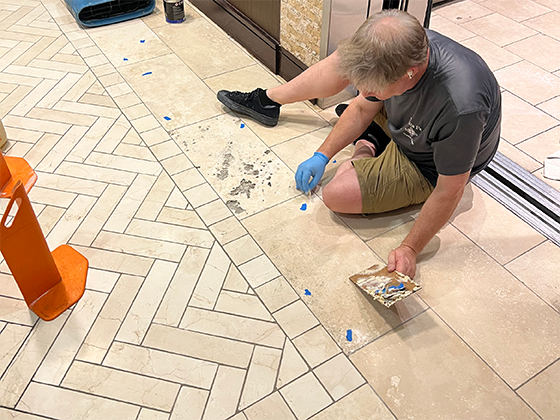
Don’t Use Harsh Chemicals on Natural Stone: If you have marble, travertine, or other natural stone tiles, acidic cleaners can damage the surface and create etching that feels rough or sticky.
Stop Using Dirty Mops: A dirty mop or bucket can redeposit grime and bacteria. This spreads the problem instead of solving it.
Don’t Skip the Dry Sweep: Failing to remove loose dirt before mopping can spread grime and cause scratches. Always remove loose debris first.
How to Clean Sticky Tile Floors the Right Way
Learning how to clean sticky tile floors properly starts with understanding what causes the problem. Here’s the correct approach:
Step-by-Step Guide: How to Clean a Sticky Floor
The key to how to clean a sticky floor effectively is removing the residue, not adding more cleaner.
Step 1: Remove All Loose Debris: Sweep or vacuum thoroughly to remove loose dirt and debris.
Step 2: Use Minimal Product: Mix your floor cleaner according to package directions. When in doubt, use less rather than more.
Step 3: Change Water Frequently: Use fresh, clean water for rinsing. Dirty rinse water just spreads the problem around.
Step 4: Rinse Thoroughly: Many cleaners leave residues that can dull floors. Always rinse with clean water after using heavy-duty cleaners.
Step 5: Dry Completely: Allow floors to air dry completely or use clean, dry mops to remove excess moisture.
Choose the Right Cleaning Products
Use pH-neutral cleaners designed specifically for your tile type. Ceramic and porcelain tiles respond well to mildly alkaline cleaners, while natural stones like marble require neutral or slightly alkaline solutions to prevent etching.
Avoid using inappropriate cleaners that can strip finishes and leave residues. Match the cleaner to your specific floor type to avoid damage.
Professional Tile Cleaning Austin Homeowners Trust
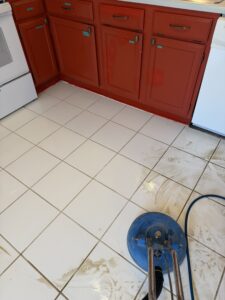
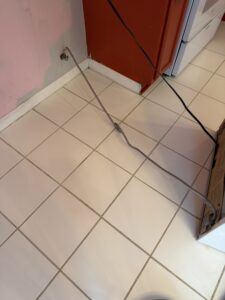
Sometimes, DIY methods aren’t enough to solve sticky floor problems. Professional tile cleaning Austin services use specialized equipment and techniques that go far beyond regular mopping.
Our Professional Process at Santa Fe Floor Cleaning & Stone Care
Hot Water Extraction Technology: We use high-pressure hot water often exceeding 200°F to effectively remove embedded dirt and contaminants. This elevated temperature increases the effectiveness of cleaning solutions and helps break down sticky residues more effectively than cold water methods.
Mechanical Agitation Systems: Our rotary scrubbers operate at 175-300 RPM. This mechanical action loosens embedded residues that regular mopping cannot address and effectively cleans grout lines where residue accumulates.
Complete Residue Removal: Unlike mopping, which can spread residue around, our extraction process removes dissolved residue and cleaning solutions from your floors. Professional cleaning can achieve up to 90% better soil removal compared to cold water methods.
Why Professional Cleaning Works Better
The Institute of Inspection, Cleaning and Restoration Certification (IICRC) offers specialized training for tile cleaning professionals. The Stone, Masonry, and Tile Care Technician (SMT) certification ensures that technicians understand the proper maintenance and cleaning techniques for stone, masonry, ceramic tile, and grout surfaces.
This certification covers understanding various types of materials and specific cleaning methods most effective for each. Our IICRC-certified technicians know exactly how to address sticky residue problems without damaging your floors.
Proof: Real Tile & Grout Cleaning Results in Austin Homes
At Santa Fe Floor Care, we don’t just talk about results — we document them. Every project we complete is an opportunity to show exactly what professional tile and grout cleaning can achieve in real Austin homes.
In one recent Tile & Grout Cleaning in Austin High-Rise Condominium, we restored heavily soiled grout lines that standard mopping couldn’t touch. The difference was immediate — years of embedded soil removed, original grout color revealed, and a noticeably cleaner, brighter floor.
We’ve also completed multiple Grout Color Sealing Projects in Austin, TX, where homeowners were dealing with permanently stained or uneven grout. In these cases, cleaning alone wasn’t enough — so we applied a professional color seal to create a uniform appearance while also locking out future stains.
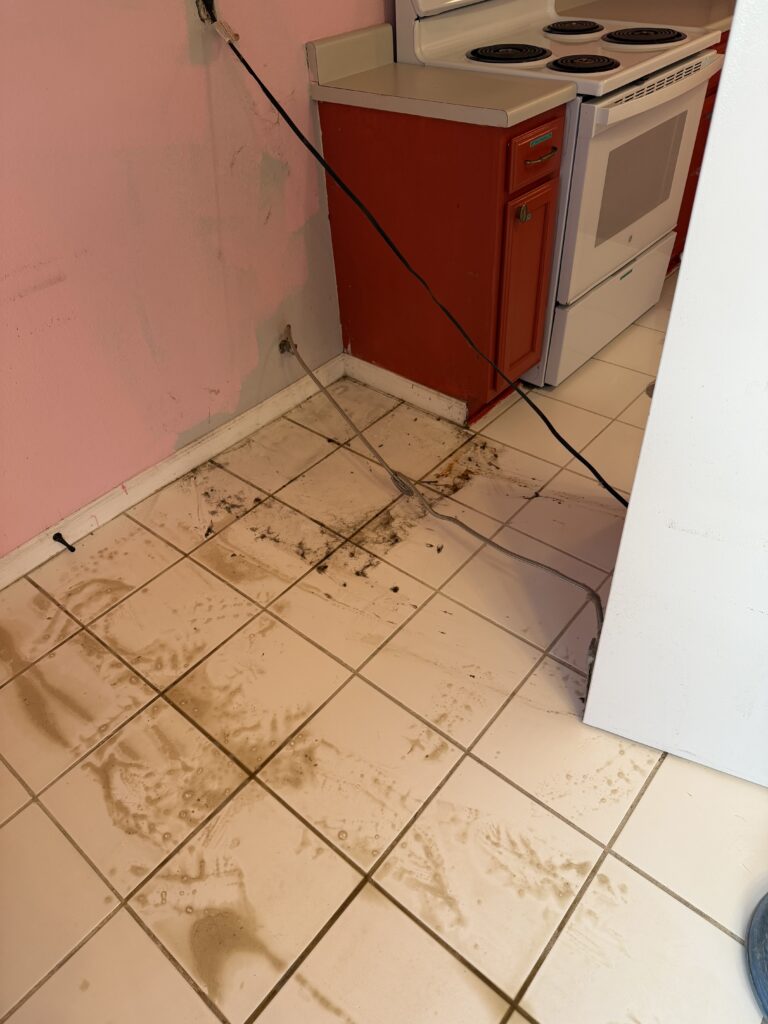
Another great example is our Kitchen Tile & Grout Deep Cleaning in Austin Home, where high-traffic areas had built up grease, dirt, and residue over time. Using professional equipment and proper stone-safe cleaning solutions, we were able to fully flush contaminants out of the grout lines — something mopping simply can’t achieve.
These are not uncommon situations. In fact, most homeowners we work with are surprised at how much dirt is still trapped in their floors even after regular cleaning. That’s because grout is porous, and without professional extraction methods, contaminants remain embedded below the surface.
If you’re dealing with grout that still looks dirty no matter how often you clean it, these real-world results show what’s actually possible with the right process.
Check some featured tile and grout cleaning projects on Google, Facebook, and Instagram
We Are Austin’s Complete Floor & Surface Care for Your Home
If you’re looking for more ways to protect and restore your floors, we offer a full range of professional services designed to keep every surface in your home looking its best. From deep tile and grout cleaning and long-lasting grout recoloring services, to advanced carpet cleaning and targeted pet urine treatment, we handle the toughest cleaning challenges with proven methods. We also provide detailed upholstery cleaning and gentle yet effective wood floor cleaning to refresh your entire living space.
For natural stone, our specialized stone restoration services cover everything from travertine cleaning, marble cleaning, and terrazzo services to limestone services and slate services. If your floors have lost their shine, our natural stone honing and polishing process can restore a smooth, like-new finish. Explore each service to learn more about how we can bring your floors back to life.
Get Your Floors Back to Their Original Beauty
Sticky tile floors don’t have to be a permanent problem in your Austin home. With the right approach, you can restore your floors to their original beauty and keep them that way.
However, if you’ve been dealing with sticky floors for a while, the residue buildup might be too extensive for DIY solutions. That’s where Santa Fe Floor Cleaning & Stone Care comes in.
Our professional team has helped hundreds of Austin homeowners solve their sticky floor problems. We use industry-leading equipment and techniques to completely remove residue buildup and restore your floors to like-new condition.
At Santa Fe Floor Cleaning & Stone Care, we specialize in:
- Tile & grout cleaning
- Grout sealing
- Natural Stone Tile
- Grout color sealing
- Ceramic tile cleaning
- Porcelain tile cleaning
- Commercial tile and grout cleaning
Whether your grout has darkened over the years, your tile has lost its original appearance, or you’re considering color sealing for a like-new look, our team can help.
👉 Check out our website to learn more about our services.
👉 Contact us today for a free estimate.
Serving homeowners and businesses throughout the Austin area with professional tile and grout cleaning, sealing, and color sealing services.
Contact us today for a free estimate and see the difference professional tile and grout cleaning can make.