
Screenshot
Years of Family Life Ground Into a WOCA Oiled Floor
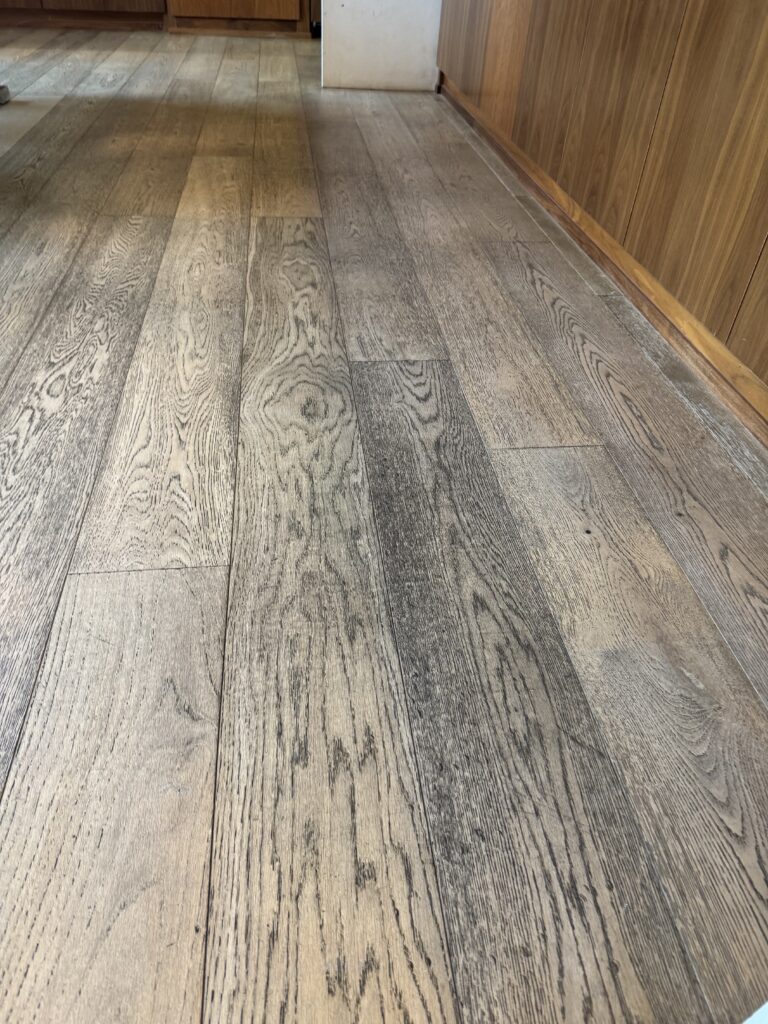
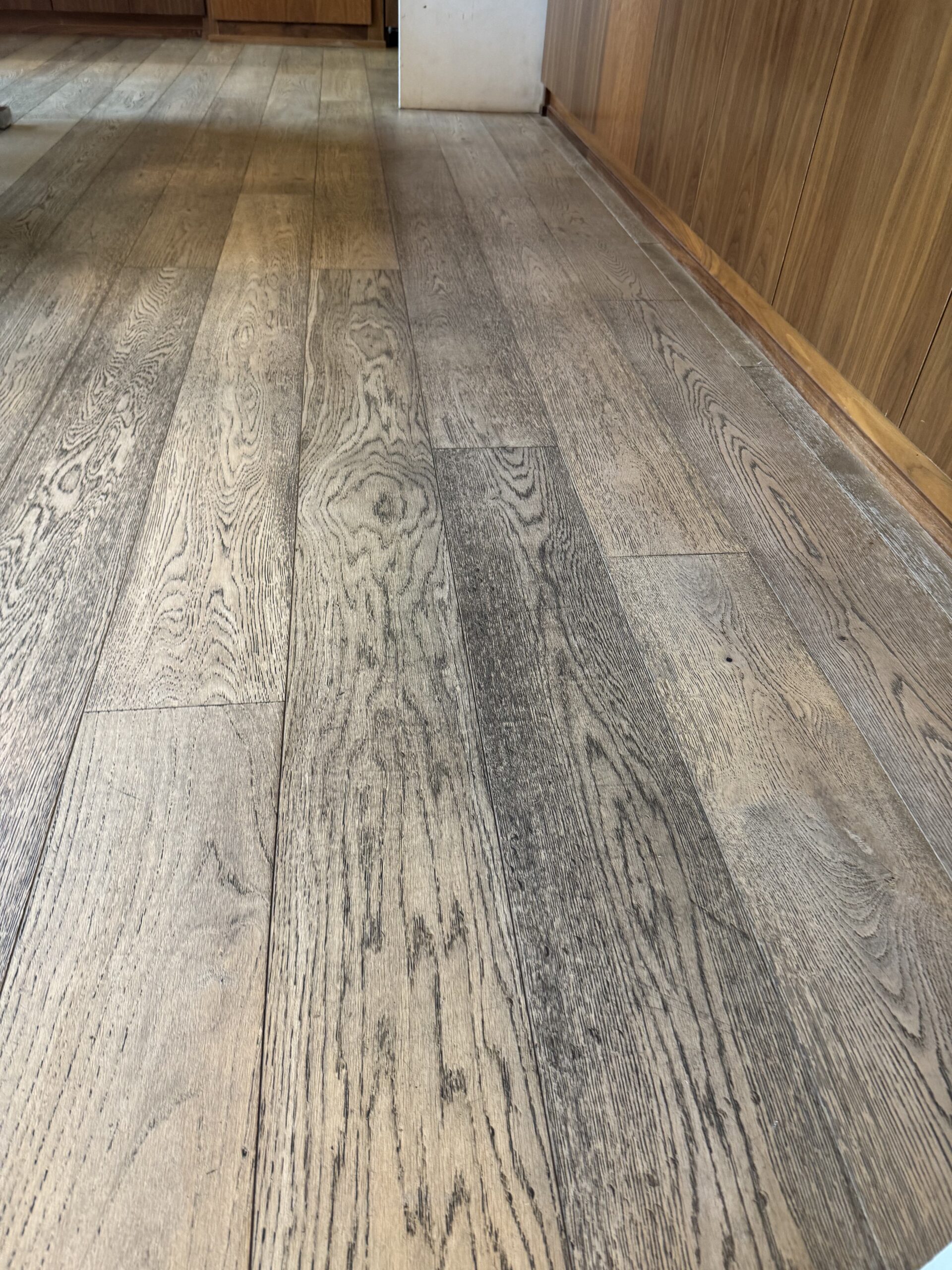
This Northwest Hills home had beautiful hardwood floors finished with WOCA oil, and they had seen a lot of living. The homeowner raised three children in the house, along with two large dogs, so the floors took years of foot traffic, paw traffic, spills, and outdoor dirt. When she called us for oiled wood floor cleaning in Austin, the wood looked dull, gray, and dry, and no amount of mopping was bringing it back.
A maid service had cleaned the home for years, and like most cleaning services, they used their own general-purpose floor products. Nobody did anything wrong on purpose. Life with kids and dogs is busy, and keeping track of special floor products slips down the list. But on an oiled floor, the wrong cleaner adds up over time.
Why WOCA Oiled Floors Need Different Care
Most hardwood floors have a coating like polyurethane that sits on top of the wood. WOCA floors are different. The oil soaks into the wood and protects it from the inside, filling in around the wood fibers instead of forming a hard shell on the surface. The National Wood Flooring Association’s trade magazine describes oil finishes this way.
That gives these floors a warm, natural look, but it also makes them more delicate. Household floor cleaners can strip out the oil and leave the wood dry and easy to stain. Hardwood Floors Magazine’s advice is simple: “Use only what the manufacturer recommends to clean floors with a natural oil finish.” Oiled floors also need to be re-oiled from time to time. If they aren’t, the wood dries out and soaks up dirt instead of resisting it.
Our Oiled Wood Floor Cleaning Process
Step 1: Deep Cleaning with WOCA Commercial Soap
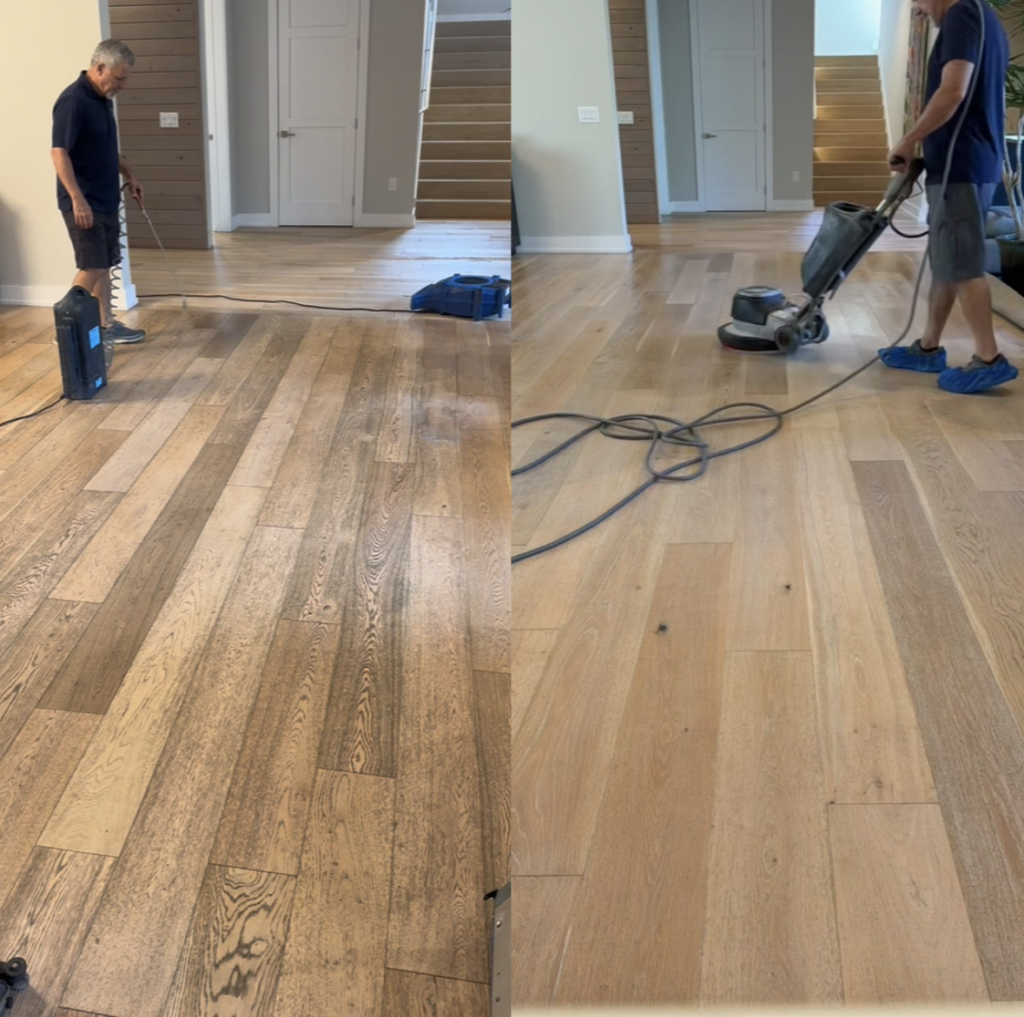
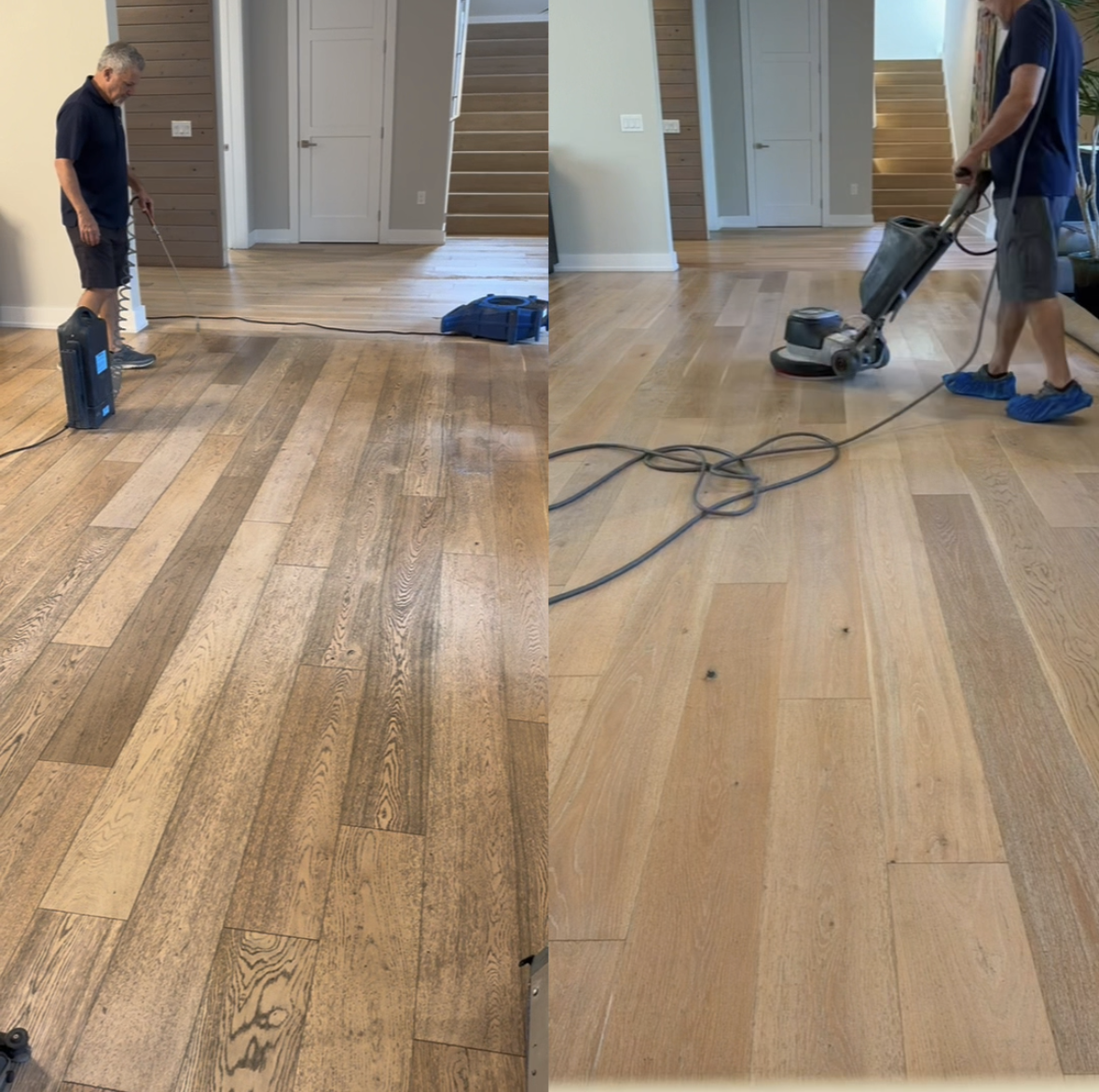
We started by mixing WOCA commercial soap with lukewarm water at a 1:40 ratio. Getting that ratio right matters: too strong can be hard on the oil, and too weak won’t lift years of buildup. We applied the solution to the floor and worked it in with our CRB (counter-rotating brush) machine, which scrubs down into the grain without being harsh on the wood.
We could see the soil emulsifying almost right away. Years of ground-in dirt lifted out of the wood and turned into something that looked like thick mud. We then rinsed and extracted everything with our Minuteman wood floor scrubber, which pulls up the dirty solution and leaves the floor clean and dry instead of soaking wet. The heaviest-traffic areas needed a second round of cleaning to fully clear the buildup.
Step 2: Re-Oiling with WOCA Maintenance Oil
With the floor clean, the next step was putting back the protection that years of the wrong products had worn away. We applied WOCA maintenance oil and buffed it into the wood with 3M floor polishing pads on our Clarke rotary machine. Buffing works the oil down into the grain so it absorbs evenly.
We let the oil sit on the surface long enough for the wood to take in what it needed. Then we went back over the floor and soaked up any oil that hadn’t absorbed. That last pass matters: extra oil left on the surface can turn sticky and catch dirt. The result was a healthy, even coat that helps the floor resist drying out, spills, and the dirt and debris that come in from outside.
This is not refinishing. There was no sanding and no new coating, just cleaning the wood and feeding back the oil it was designed to have.
Step 3: Building a Care Plan with the Homeowner
The cleaning and re-oiling brought the floors back, but keeping them that way depends on what happens after we leave. So once the job was done, we sat down with the homeowner and planned her day-to-day care together.
We went over which WOCA-approved cleaning products to buy and what kind of mop to use. We also agreed on a simple new rule: her cleaning service will no longer use their own floor products. From now on they will use only products made for WOCA oiled wood floors. A floor like this can look great for decades, but only if everyone who touches it is using the right products.
The Results
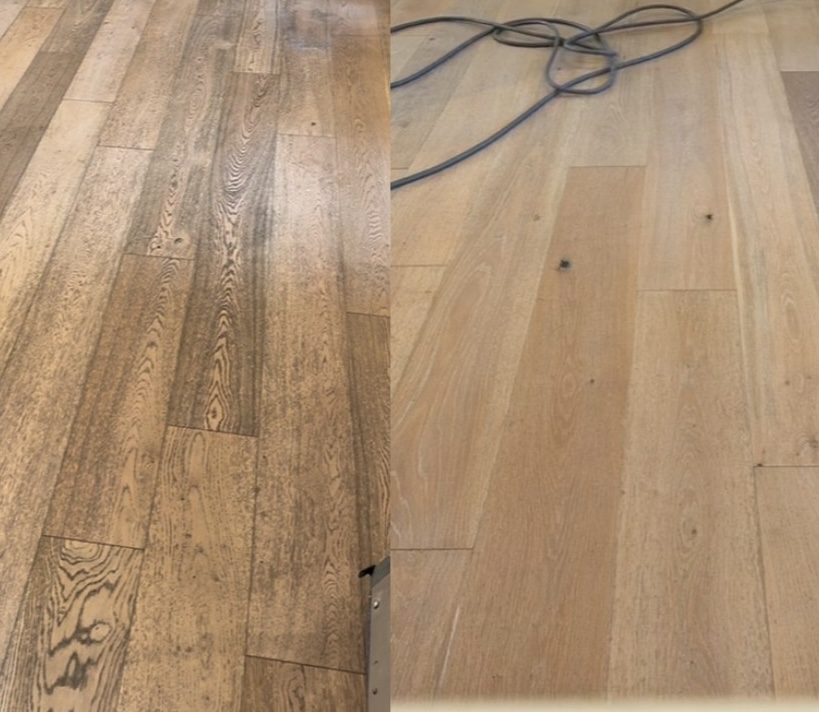
The difference was obvious. The gray, dried-out look was gone, and the natural color and grain of the wood showed through again. The floors felt smooth underfoot and had a soft, even sheen across every room, including the high-traffic paths the kids and dogs had worn in over the years.
Tips for Homeowners with WOCA or Oiled Wood Floors
- Use the manufacturer’s products. Stick with soaps and cleaners made for oiled floors, and make sure your cleaning service does too.
- Dry mop first. A dry microfiber mop picks up grit before it can scratch or grind into the wood.
- Go easy on water. Damp mop, never soak, and wipe up spills quickly.
- Watch for dry spots. If the wood looks pale or thirsty, or dirt seems to stick more than usual, it’s time to re-oil.
Proof: Real Wood Floor Results in Austin Homes
For another example of what professional cleaning can do for a tired wood floor, see our wood floor deep cleaning case study, where we removed years of dark residue buildup without sanding or refinishing.
We Are Austin’s Complete Floor & Surface Care for Your Home
Beyond slate, we offer a full range of professional services to keep every surface in your home looking its best — from deep tile and grout cleaning and grout color sealing, to carpet cleaning, upholstery cleaning, and wood floor cleaning. For other natural stone, explore our marble, travertine, limestone, and terrazzo services.
Do you have oiled or WOCA wood floors that have lost their glow? Our professional wood floor cleaning can bring them back without sanding. Call us at (512) 632-1621 or request your free estimate online. You can watch more floor transformations on YouTube, Facebook, and Instagram, or connect with us on LinkedIn.