What Are the Main Types of Carpet Damage?
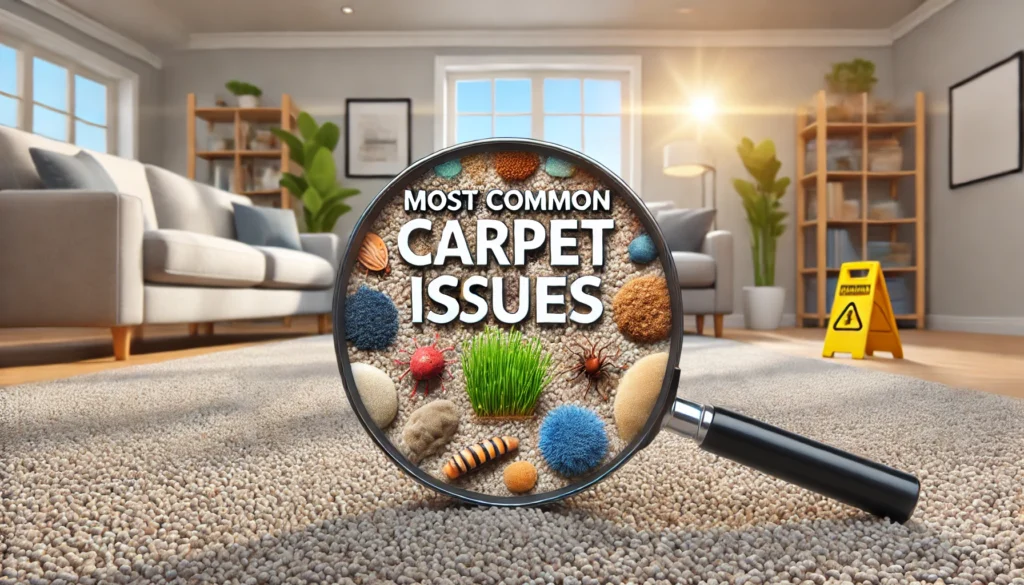
Carpets endure daily wear, spills, and trapped allergens, making them one of the most vulnerable surfaces in your home. The good news? Most carpet problems can be prevented or reversed with the right care. Here’s how to tackle the four biggest carpet issues—and answers to common carpet-related questions that homeowners ask.
Stains
Coffee spills, pet accidents, and tracked-in dirt are some of the worst offenders — but the real problem often isn’t the stain you see, it’s what’s happening beneath the surface. If a stain seems to disappear after cleaning and then reappears days or weeks later, that’s usually wicking or residue, not a failed cleaning job. See Reoccurring Carpet Stains for how that happens and what can be done about it.
Odor
A fresh-looking carpet doesn’t always mean it smells fresh. Odors — especially from pets — often sit deep in the padding where surface cleaning can’t reach them. If pet odor is the issue, see Pet Odors in Carpet: Why They Don’t Go Away for what actually works.
Wear
Dirt is abrasive. Every time you walk across a dirty carpet, tiny particles grind against the fibers, causing premature wear — over time, this makes carpets look dull even when no stains are visible. Routine vacuuming helps, but professional deep cleaning every 12–18 months is what prevents fiber breakdown in high-traffic areas.
Allergies
Carpet acts like a filter, trapping dust, pollen, and pet dander deep in the fibers. Hot water extraction removes far more of this than shampooing, which can leave residue behind — regular professional cleaning is one of the simplest ways to cut down on allergy triggers at home.
What is the Most Common Carpet Bug?
The biggest carpet-dwelling pest? Carpet beetles. These tiny intruders feed on natural fibers like wool, silk, and even pet hair trapped in carpets. Unlike bed bugs, they don’t bite humans, but their larvae can cause significant damage by chewing through fabric.
To prevent an infestation:
- Vacuum frequently, especially in low-traffic areas where larvae hide.
- Store wool rugs properly with airtight containers or protective wraps.
- Use insecticide treatments or natural alternatives like diatomaceous earth if you notice an infestation.
If the problem persists, professional pest control may be necessary. Carpet beetles reproduce quickly, so early intervention is key.
What Carpet Should You Avoid?
Not all carpets are created equal. Some are prone to stains, wear, or even health hazards. Avoid these types of carpets if you want durability and low maintenance:
- Olefin (Polypropylene) – Stain-resistant but highly susceptible to crushing and wear in high-traffic areas.
- High-pile shag carpets – Luxurious but trap dirt, allergens, and moisture, making them hard to clean.
- Low-quality polyester carpets – Budget-friendly but prone to matting and fiber breakdown.
- Unprotected wool carpets – Beautiful but easily stained unless treated with a protective sealant.
For high-traffic areas, opt for nylon or high-quality wool blends, which offer better longevity and stain resistance. If you have pets or kids, consider carpets with built-in stain protection.
What is the Average Lifespan of Carpet?
On average, carpets last between 5 to 15 years, depending on material, foot traffic, and maintenance.
- Low-quality carpets (5-7 years) – Found in rental properties and budget installations.
- Mid-range carpets (8-12 years) – Well-maintained nylon or wool blends with moderate foot traffic.
- High-end carpets (12-15+ years) – Premium wool or tightly woven synthetic carpets with regular professional care.
To extend your carpet’s life:
- Vacuum regularly (at least twice a week in high-traffic areas).
- Schedule professional cleaning every 12-18 months to remove embedded dirt.
- Use area rugs and furniture pads to reduce wear in high-traffic zones.
If you notice persistent matting, fading, or a musty odor that won’t go away, it may be time for a replacement.
Take Control of Your Carpet’s Lifespan
Carpet issues don’t have to mean immediate replacement. By choosing durable materials, keeping up with regular maintenance, and addressing stains or pests early, you can keep your carpets looking great for years. If your carpet needs a deep refresh, professional cleaning services can restore its vibrancy and extend its life. Take action today—your floors will thank you!